Up next in 10

Building Civic Virtue 2010/01/25 (11)
Jun 5, 2025
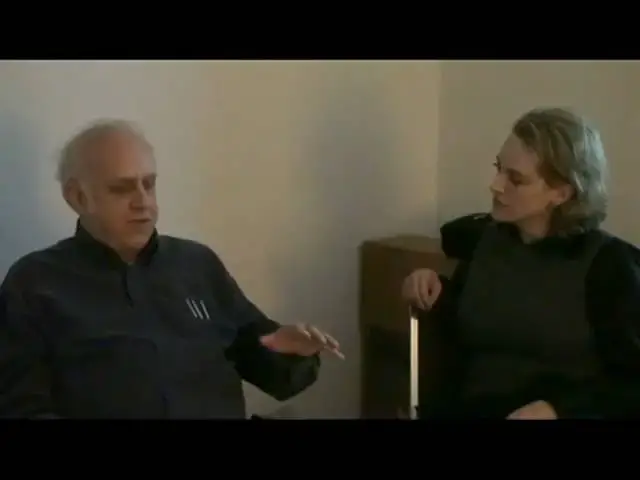
Jon Roland explains how civic virtue is built and how it declines. With Lela Pittenger. Austin Constitution Meetup Jan. 25, 2010.
Show More Show Less View Video Transcript
0:01
and uh that was very telling because it
0:04
corresponded of course also to people
0:07
knowing their
0:08
neighbors now when I was a kid in the
0:12
early 50s everybody knew everybody yeah
0:15
we all visited each other everybody took
0:17
care of everybody else's kids MH you
0:20
know I could wander around all over my
0:22
town yeah and I did you it's a hi of
0:25
people you know and all that and your
0:26
mama would know about anything you did
0:28
before you got home well I said I didn't
0:31
do
0:32
anything and really none almost none of
0:34
us did because we knew that everybody
0:37
was watching us
0:39
right
0:41
we the the expression was revived some
0:45
years ago as you may call it takes a
0:47
village ah yes well in those days we had
0:50
a village right it wasn't a village of
0:53
government though it was a village of
0:55
neighbors right well I also observed the
1:00
tendency again in the
1:03
50s for that to break
1:05
down a lot of new people moving into
1:08
town and not knowing each other with
1:11
cocooning into their
1:13
houses uh not going out on
1:17
socializing and
1:19
uh you know I could watch it happen you
1:23
know play out in front of my eyes and
1:25
one of the things I did when I was still
1:27
a little
1:28
kid you know I spoke to my grandparents
1:31
and my parents and other
1:34
people and I you know I noted the
1:37
historical changes that had taken place
1:39
in their
1:40
lives I said I'm going to be living
1:42
through an interesting period of History
1:46
I need to pay attention to what's going
1:48
on around me because I some of my
1:51
grandparents and parents weren't really
1:52
paying that much attention they were
1:54
just living they weren't really
1:55
observing right so I said I'm going to
1:58
be an observer I'm going to pay
2:00
attention to what's going on around me
2:02
so that later on I can understand it
2:05
right so I have tried to do
2:09
that that's my cell phone sorry okay I
2:13
forgot to turn it on silent all right
2:15
sounded like the ice cream truck it it's
2:17
nice it's better than the piercing
2:18
sounds yes anyway
2:24
uh so I found that uh
2:37
by paying
2:39
attention was on was going on around
2:42
me not just to news reports or
2:47
historical events but to the ordinary
2:50
daily life of ordinary
2:53
people and tri and how historical events
2:57
were not only taking place and being
2:59
reported but affecting Ordinary People
3:03
right to try to understand the changes
3:05
that are taking
3:09
place um I think I've been moderately
3:13
successful at
3:14
that particularly when I speak to some
3:17
of my social conservative friends most
3:21
of whom are upset about this or that
3:24
change they've seen in
3:26
society and most of them are really not
3:28
very good at attributing correct causes
3:30
for those
3:32
changes they they see one change that
3:36
they don't like they see another change
3:39
that occurred at the same time and they
3:42
think that this caused
3:44
that well in most cases this didn't
3:46
cause that right it just happened to
3:48
occur at the same time right sometimes
3:51
they had common causes sometimes it's
3:53
just a
3:54
coincidence but if you don't understand
3:56
the real causes of things you won't have
3:59
you won't come up with the right
4:00
solutions for
4:02
them so I have W up engaging in a lot of
4:06
arguments with uh not only social
4:09
conservative friends I have liberal
4:10
friends that you know have their own uh
4:14
uh
4:16
concerns and there's a
4:19
general tendency not to understand what
4:22
really caused the changes the the things
4:25
that they're concerned about or what to
4:27
do about them
4:30
uh I'm not one of those who says that
4:32
the good old days were so all that much
4:35
better than they are today every decade
4:37
has its own challenges right there are a
4:40
lot of things that have gotten worse a
4:42
lot of things have gotten better I
4:44
wouldn't trade the internet for
4:47
anything but uh yeah coming out of World
4:51
War II then the Korean
4:55
War we had a level of civic virtue that
4:58
we didn't have before our
5:01
sins William James wrote about this in
5:04
his famous essay the moral equivalent of
5:08
War he was concerned about civic virtue
5:12
and observed that with every war it
5:15
increased and then declined between
5:20
Wars of course he was not in favor of
5:22
War he didn't want to have a war just to
5:24
get Civic
5:25
virtu so he he he tried to come up with
5:29
some alternative ative to war that would
5:32
generate civic virtue and is this an
5:35
essay you have on your website yeah
5:38
yeah uh I'm not very satisfied with his
5:42
what he came up with and really probably
5:44
neither was
5:46
he but uh it does illustrate the
5:50
problem
5:54
uh civic virtue is very difficult to
5:57
achieve and
5:58
maintain especially when times are
6:01
good uh this country was founded during
6:04
a rough period the American Revolution
6:07
was hard on
6:09
everybody but it was a
6:13
wonderful uh
6:16
incubator of the ideas that have made
6:19
this country
6:21
great however once the Revolution was
6:24
won the Constitution was adopted things
6:27
started going downhill
6:30
and of course one of the reasons why
6:32
they went downhill is because times
6:34
we're good Rel bu his store standards
6:38
anyway lots of opportunities a lot of
6:41
free land you know plenty of people
6:44
moving in and getting jobs and building
6:47
Industries and planting farms and
6:49
cutting down the trees and just having a
6:52
good old time right not that we weren't
6:54
plenty of problems we had a civil
6:56
war but uh
6:59
uh which could have easily been
7:02
avoided but it was a
7:05
u exciting time but not one that
7:09
cultivated the kind of civic
7:11
virtue that makes for constitutional
7:18
government so the question is then how
7:21
do we somehow
7:23
recapture that kind of civic virtue well
7:25
it's not easy it's not
7:28
obvious I of course devote a lot of my
7:31
time and effort to doing that this
7:35
proposal this nullification proposal is
7:39
in part a way to try to do that what
7:42
would you say to people who think that
7:45
doing something like mandatory Civil
7:47
Service would increase civic virtue
7:51
among particularly young people usually
7:53
they want the kids who graduate high
7:54
school they don't talk about the guys in
7:56
their 50s and 60s having to do this what
7:58
do you say to people who think well
8:00
that's a good idea because I know that
8:01
was a small discussion a tiny short
8:04
period in the 08 elections was given to
8:07
that discussion what do you think of
8:08
that well actually I'm in favor of that
8:11
if Done Right
8:12
mhm the key concept is militia mhm uh
8:17
the militia were supposed to be that
8:19
right when this country was founded it
8:22
was run by militia and
8:24
juries in other words
8:27
volunteers they didn't need to pay you
8:29
know to raise taxes or pay public
8:32
service to do things because the
8:34
citizens did it on their own
8:37
right
8:39
um what we would need to do in today's
8:42
terms would be to Mo uh train young
8:47
people
8:49
especially in the Arts of defense law
8:52
enforcement Disaster Response and so
8:55
forth at a
8:57
minimum and of course the skills needed
9:00
by militia today are the same skills we
9:02
teach in public
9:04
schools so the question was asked you
9:06
may recall it at the State Board of
9:09
Education uh uh session you know one of
9:13
the members say you know sort of asked
9:15
rhetorically do you know of any
9:17
provision of the Constitution that
9:19
authorizes the federal uh funding of
9:22
public
9:24
education and I don't think he said
9:27
Federal funding but anyway Federal
9:29
activity in this
9:31
area uh actually there is such a
9:34
provision it's the militia clause on
9:37
training training the
9:39
militia and today training the militia
9:42
means not just in defense uh law
9:45
enforcement and uh Disaster Response it
9:48
also means Reading Writing arithmetic
9:51
you know math reading you know all all
9:54
the stuff that's taught in the military
9:55
cies
9:57
right um
10:00
what is missing from
10:02
that is it needs to be not just
10:05
academic it needs to be practical too
10:08
right
#Social Issues & Advocacy
#Communications & Media Studies